
Short answer: Yes — if you have a website, you should have an SSL certificate.
What is an SSL Certificate?
An SSL certificate protects your website and the people who visit it.
It does this by encrypting (protecting) the information that is sent between your website and your visitors. This includes things like contact forms, login details, and payment information.
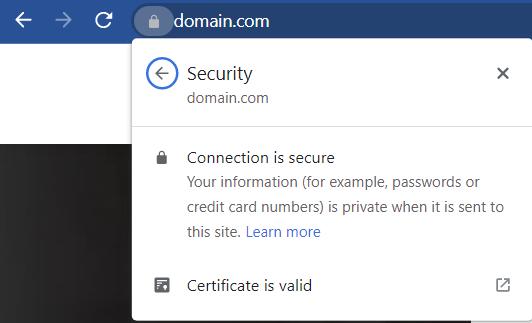
When a website has SSL, you will see:
- A padlock icon in the browser address bar
- The website address starts with https://
Example of a secure website:
Why Do I Need SSL?
- Builds trust – Visitors feel safer on your website
- Protects data – Keeps information private
- Required by browsers – Websites without SSL may show a “Not Secure” warning
- Better for Google – Helps your website rank better
What Does “Not Secure” Look Like?
If your website does not have SSL, browsers may show a warning like this:
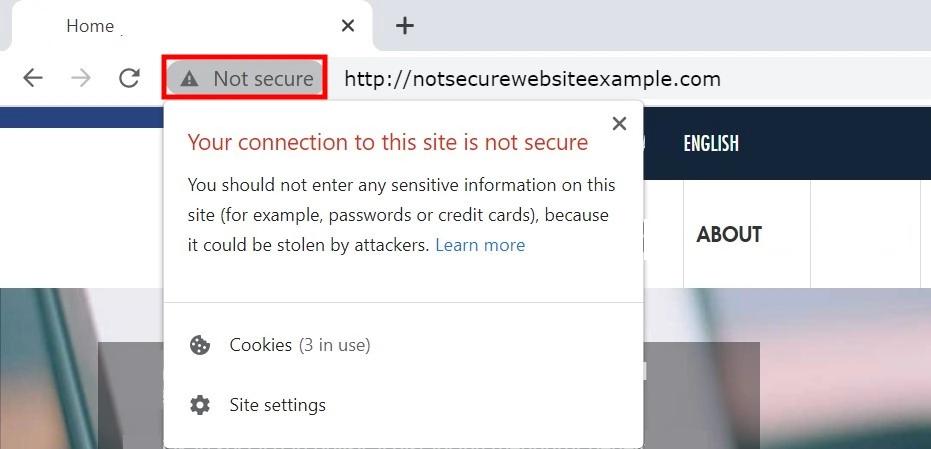
This can make visitors think your website is unsafe, even if it’s just a basic site.
Do I Need SSL if I Don’t Sell Anything?
Yes.
Even basic websites will show warnings if SSL is missing.
When is SSL Required?
- Login areas
- Contact forms
- Payments or online stores
- Any personal data collection
What Happens Without SSL?
- “Not Secure” warning in browsers
- Visitors may leave immediately
- Forms may not work properly
- Lower Google rankings
Summary
If you have a website, you should have SSL.
It protects your visitors and makes your website look trustworthy.
If you need help setting this up, contact our support team.